
Graphic Designing is the art and profession of selecting and organizing visual elements like typography, images, symbols, colour, and layout to convey a message effectively to an audience.
It combines creativity with purpose: designing things like logos, advertisements, websites, posters, book layouts, social media content, and more, all with the aim of communicating ideas, emotions, or brand identity clearly and compellingly.
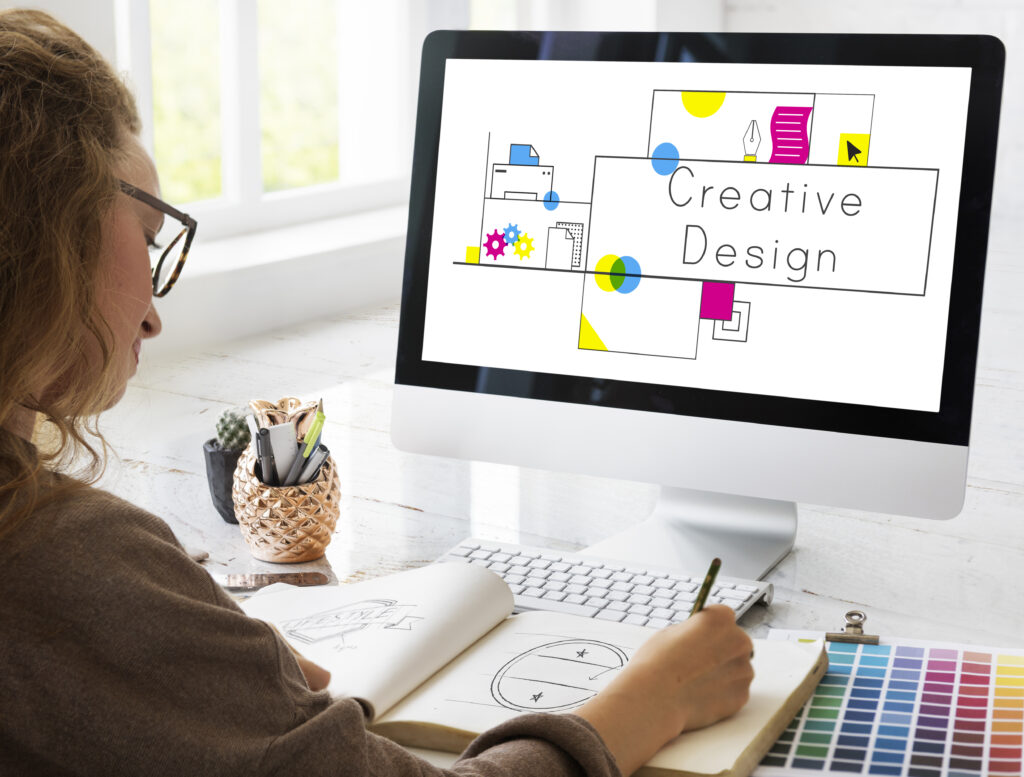
Key Elements of Graphic Design
Effective graphic design relies on several foundational elements:
- Colour, Shape, Line, Layout, Typography – These visual components help structure and stylize the message.
- Principles like Alignment, Balance, Contrast, Hierarchy, Repetition, Space – These guide the harmonious arrangement of elements for clarity and impact.
What Do Graphic Designers Actually Do?
Graphic designers are visual storytellers and communicators, with responsibilities that include:
- Developing visual identities: logos, brand systems, colour palettes.
- Crafting digital assets: social media graphics, website visuals, app interfaces.
- Designing marketing collateral: brochures, posters, packaging.
- Creating editorial layouts: magazines, newspapers, digital.
- Working across digital domains: UI and UX designs, motion graphics, interactive visuals.
- Visual problem-solving: combining text, imagery, and layout with software tools for specific communication goals.
- Collaborating with clients and teams and preparing designs for both print and digital use.
Necessary Skills & Tools
Graphic designers combine creativity and skill in both craft and tools:
- Creative & conceptual skills: strong visual thinking, storytelling, and an understanding of design principles (colour theory, typography, hierarchy).
- Software Proficiency: tools like Adobe Illustrator, Photoshop, InDesign, Figma, Canva, and XD is standard in the industry.
- Collaboration & Adaptability: working across teams, taking feedback, and refining designs to meet objectives.
Why Is It So Important ?
Graphic design goes beyond aesthetics, it’s a crucial tool for effective communication. Studies show that humans process images incredibly fast, making visual design essential for capturing attention and conveying ideas quickly.
From influencing emotions with colour to building trustworthy brand identities, good design plays a strategic role in marketing and user experience.